3D Conditioning for Precise Visual Generative AI
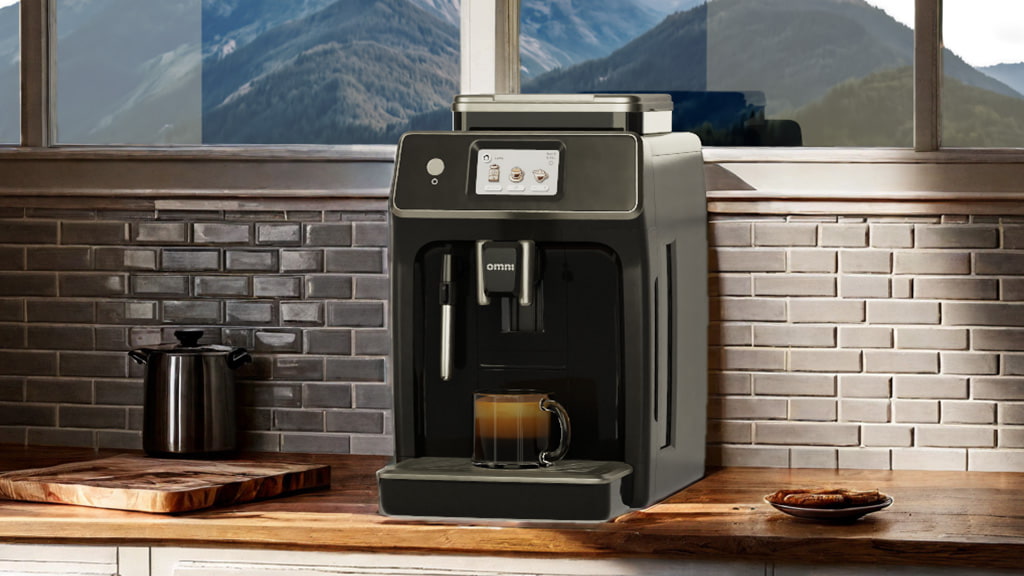
This blueprint is about a common “genAI for marketing” problem: you want the flexibility of generative iteration, but you can’t afford to accidentally change the one thing that must remain correct (a hero product, a vehicle, packaging text, etc.). The approach here is to lean on real-time 3D rendering as a control signal — generate from a composition that already encodes camera, geometry, and layout — then use generative AI to explore lighting, materials, and scene variations while keeping the hero asset stable.
From the NVIDIA Build metadata it’s positioned as an Omniverse workflow, and it references USD-oriented NIMs (usdcode, usdsearch). Even if you don’t use those exact components, the idea maps cleanly to other pipelines: use a canonical 3D scene graph as the source of truth, render out conditioning passes (depth/normal/albedo), then treat the generative model as an “artist” for everything that isn’t hard-locked.
What to try first: skim the prerequisites on the blueprint page, then pick a simple product scene you can render deterministically and validate that your “don’t touch the hero asset” constraint actually holds across a few variations. If you can’t reliably preserve geometry and branding in the output, you probably need to add more conditioning (or stronger masking) before you scale this to production assets.
Source listing: https://build.nvidia.com/blueprints?filters=publisher%3Anvidia